D
Dominique
Feb 13, 2024
4.0
The variety of plant forms from these seeds enhances my yard with beautiful colors.
Get it between Sunday, October 4th and Monday, October 12th.

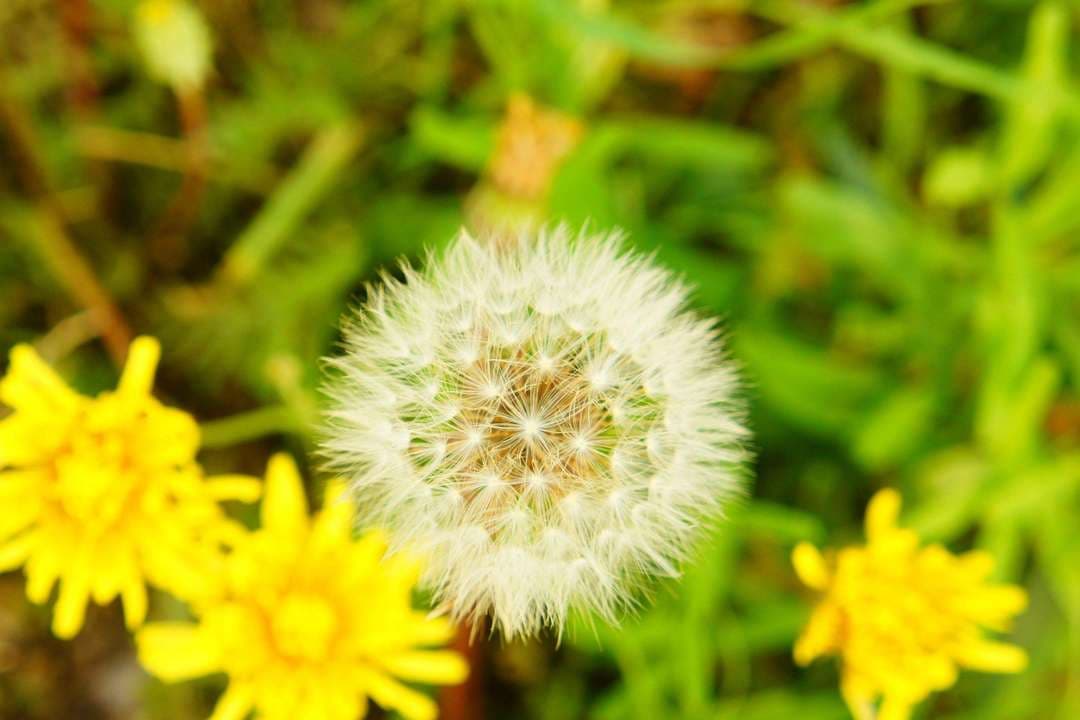
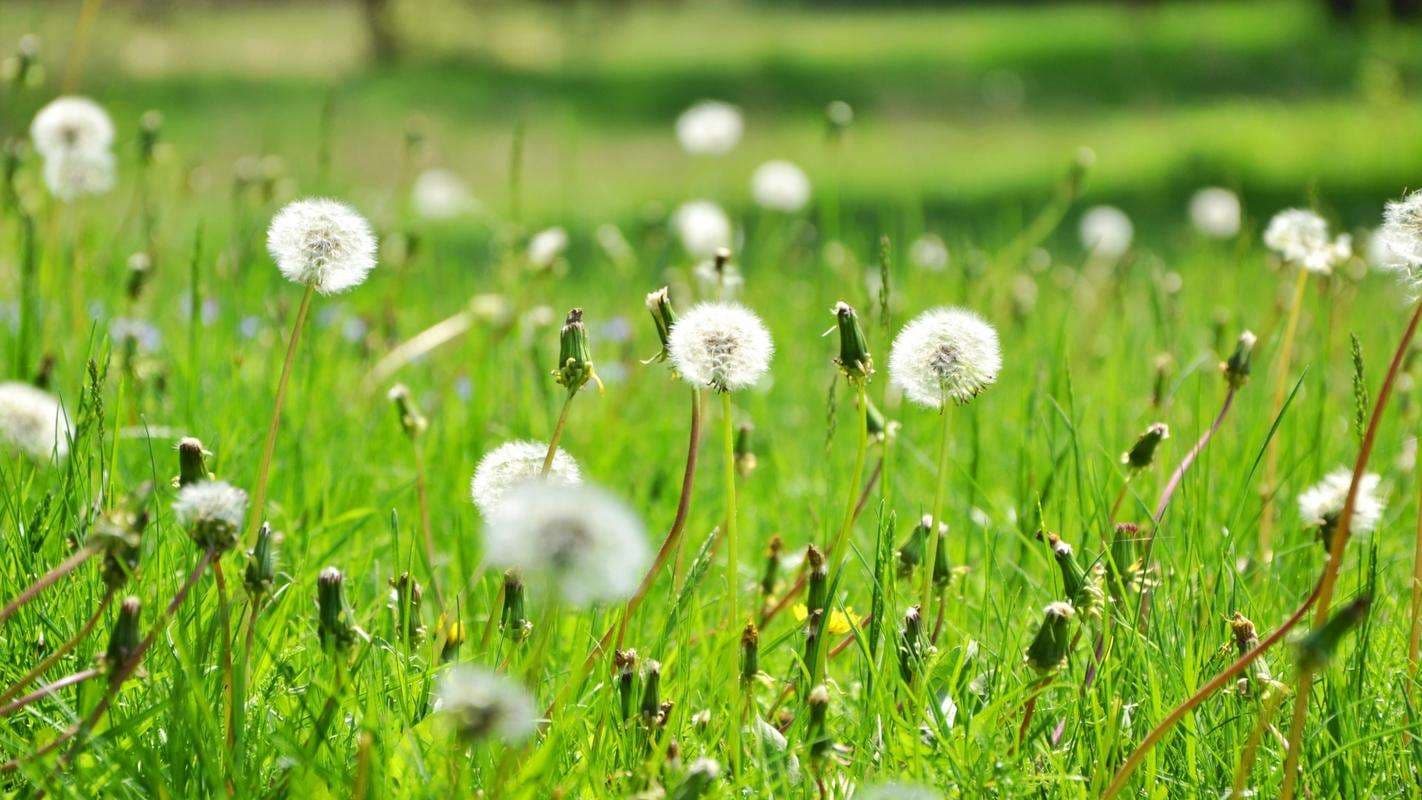
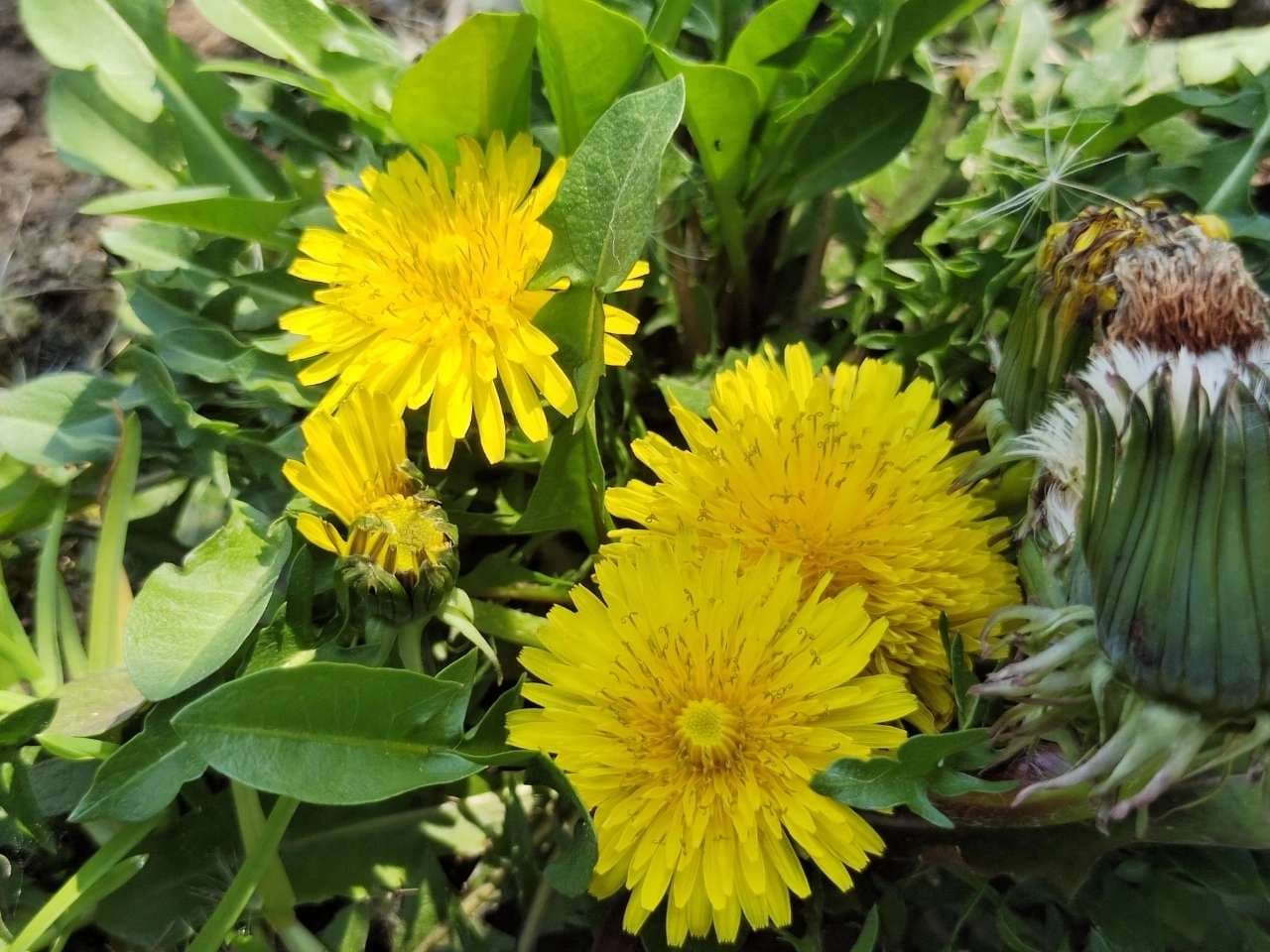
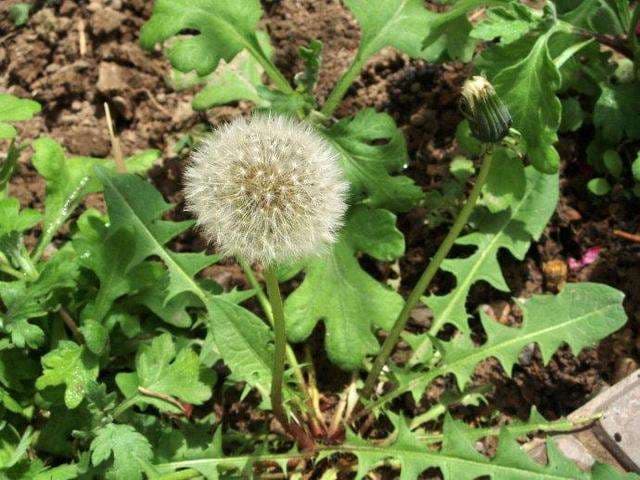
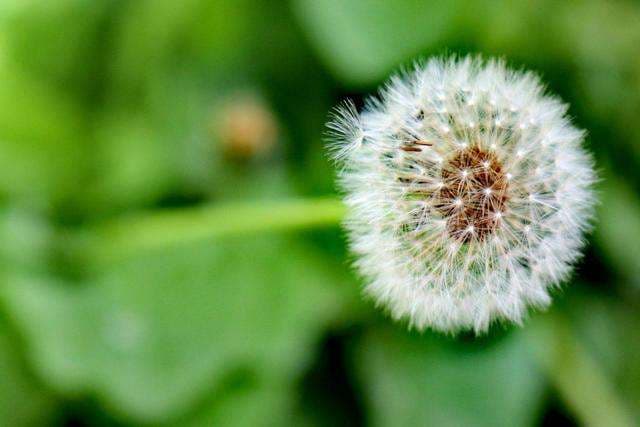
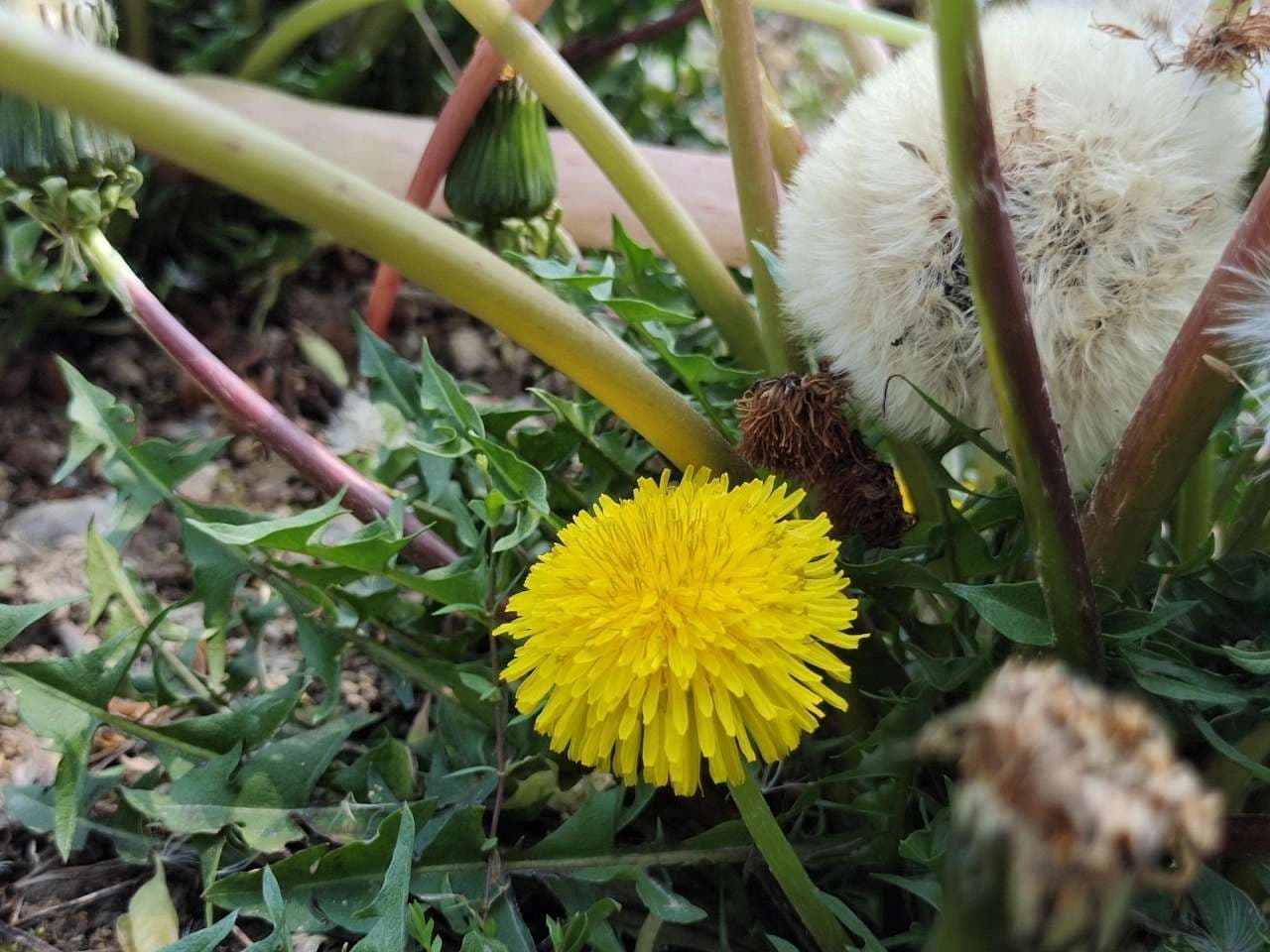
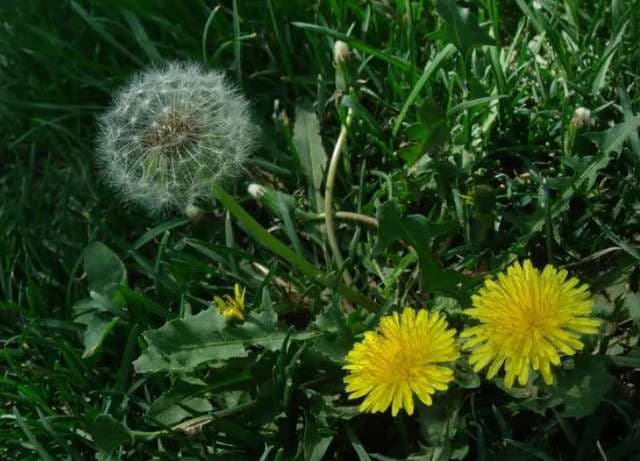
Taraxacum officinale, commonly referred to as Dandelion, is characterized by its distinctive lobed leaves and cheerful yellow flowers. Native to Europe and Asia, this perennial herb has naturalized in many regions worldwide, where it thrives in a variety of habitats, including lawns, meadows, and disturbed areas. Its bright yellow flowers, which mature into iconic spherical seed heads known as “blowballs” or “clocks,” are a familiar sight in late spring and early summer. Dandelion’s nutritional value extends beyond its ornamental beauty, as its leaves are rich in vitamins and minerals, while its roots have been used for centuries in herbal medicine for their liver-cleansing and digestive properties. Despite its humble status as a weed, Dandelion’s resilience and versatility make it a valuable resource for both health and ecological wellbeing.
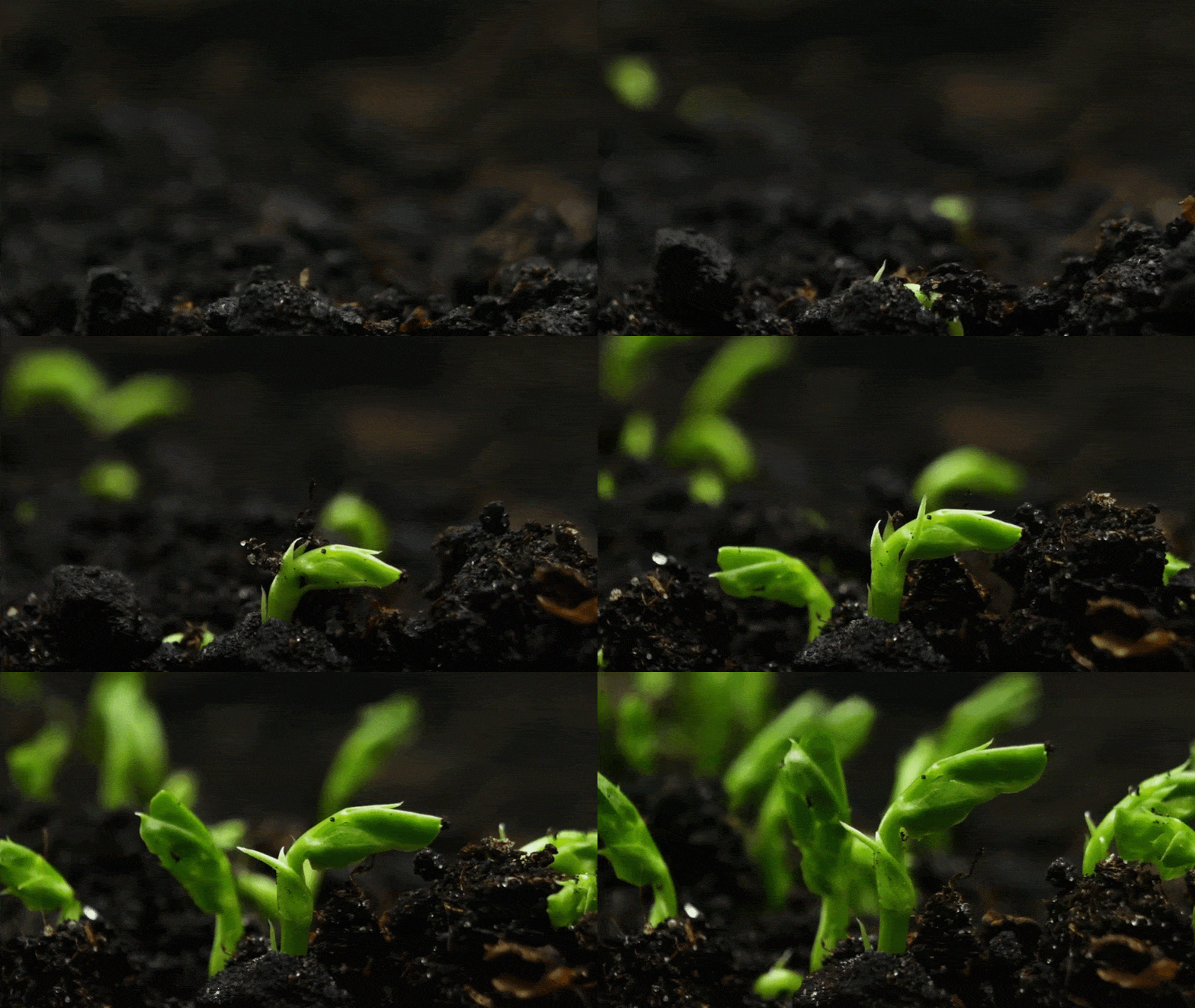
Dandelion thrives in a wide range of soil conditions and sunlight levels, making it adaptable to diverse environments. Its deep taproot allows it to access nutrients and moisture, making it resilient to drought conditions. While some consider it a nuisance weed, others cultivate it for its culinary and medicinal uses. Harvesting Dandelion leaves when young and tender ensures optimal flavor and nutritional value for salads and teas, while the roots can be harvested in fall for herbal preparations. Whether embraced or eradicated, Dandelion’s presence in nature reminds us of its enduring vitality and beneficial qualities.
Orders over $21
Helpful customer care
PayPal and major cards
Tracked delivery support